What's the Best Diagnostic Tool for Freightliner Trucks?
If you want a straight answer: the best diagnostic tool for Freightliner trucks in 2026 is a multi-system platform like Jaltest that covers Detroit Diesel, Cummins, and Freightliner body electronics in a single interface, giving fleet technicians dealer-level fault code reading, live data, and bi-directional controls without an OEM dealer subscription. That answer only holds up, though, if you understand why the tool category matters as much as the tool itself.
Whether you're running a dedicated Freightliner yard or a mixed fleet where Cascadias share the lot with other makes, the right choice comes down to one question: do you need depth on one brand or coverage across many? OEM tools like Detroit Diesel Diagnostic Link (DDDL) go deep on Detroit-powered units but lock you into a single ecosystem. Multi-brand platforms give you dealer-level access across Cascadia, M2, and Sprinter variants plus every other make in your yard under one license.
The cost of getting this decision wrong is real. A single unplanned dealer visit for a Freightliner fault code diagnostic can cost a Canadian fleet $500–$1,200 in shop fees plus $800–$2,500 per day in vehicle downtime. For fleets running five or more units, in-house diagnostic capability pays for itself fast.
There's also a technical reality that changes the calculus for anyone who's tried a cheap scanner first. Freightliner trucks communicate fault data across multiple SAE J1939 and proprietary controllers: the engine ECU (Detroit DD13/DD15/DD16 or Cummins ISX), the DT12 automated transmission control unit, ABS/EBS modules, body controllers, and the aftertreatment control module. A scanner that only reads generic OBD codes surfaces maybe 40% of the actionable fault data on a Cascadia. The r/DieselTechs community makes this point clearly: technicians servicing Freightliners regularly need bi-directional capability, not just code reading.
This guide is written for fleet technicians and shop managers who service commercial vehicles and need a direct answer on which tool gives them the most in-house diagnostic power without dealer dependency.
Ready to Diagnose Smarter and Repair Faster? Get started with Jaltest through WholeFleet and equip your team with dealer-level diagnostic capabilities across multiple vehicle and equipment brands. Talk to our team.
Why Freightliner Diagnostics Breaks Down for Fleet Shops
The core problem is fragmentation. Freightliner's own OEM diagnostic ecosystem splits across multiple tools: DDDL handles DD-series engines, ServiceLink covers chassis and body modules, and neither communicates cleanly with non-Detroit powertrains like the Cummins-powered M2 106 or the Mercedes-Benz OM651 engine found in some Sprinter-based commercial variants. If your yard runs more than one Freightliner configuration, you're already dealing with gaps before you've touched a single fault code.
DDDL 8.x software licensing through authorized channels runs approximately USD $1,500–$2,500 for initial setup plus annual subscription fees, and it requires a specific Nexiq USB Link 2 or compatible interface adapter. That hardware and software stack only makes economic sense if your shop is exclusively Detroit-powered. For anyone running a mixed yard, you're paying OEM pricing for partial coverage.
The ECU architecture compounds this. Freightliner Cascadia fault codes span at minimum six ECU domains: Engine Control Module (ECM), Transmission Control Unit (TCU for the DT12), Anti-lock Brake System (ABS), Collision Mitigation System (CMS), Body Controller (BC), and Aftertreatment Control Module (ACM). A generic J1939 scanner surfaces roughly 40% of the fault tree. The other 60% sits in proprietary PIDs and module-specific data that consumer-grade hardware simply can't read.
For Canadian fleets in rural areas, this creates a compounding problem. Technicians in northern Ontario, Alberta, and Saskatchewan regularly face Freightliner dealer appointment wait times of 5 to 14 business days. A diagnosable fault code becomes a two-week asset freeze because the shop lacks the in-house tools to triage the problem and determine whether a dealer trip is even necessary. Cross-border fleets operating in both Canada and the US face a similar issue: warranty work may need dealer involvement, but routine fault diagnosis and component resets don't. Yet shops send trucks to dealers for both because they can't separate the two without the right tooling.
The r/DieselTechs thread on scanners for big rigs consistently identifies the real frustration point: it's not finding the fault code, it's getting bi-directional control to run a DPF regen, reset an SCR dosing fault, or perform an injector cut-out test after a replacement. Those are the functions that actually resolve the fault and return the truck to service.
Amazon-listed "Freightliner diagnostic scanners" in the $150–$400 range read generic codes but lack the proprietary PID access and bi-directional command sets needed for Detroit DD-series aftertreatment, DT12 clutch calibration, or Wabco ABS module resets. Buying one doesn't give you diagnostic capability on a commercial unit; it gives you a partial view that can actually slow diagnosis down by pointing you toward incomplete data.
For shops evaluating their options across platforms, our Jaltest vs JPRO feature breakdown walks through where each platform's coverage and bi-directional depth differ in practical shop scenarios.
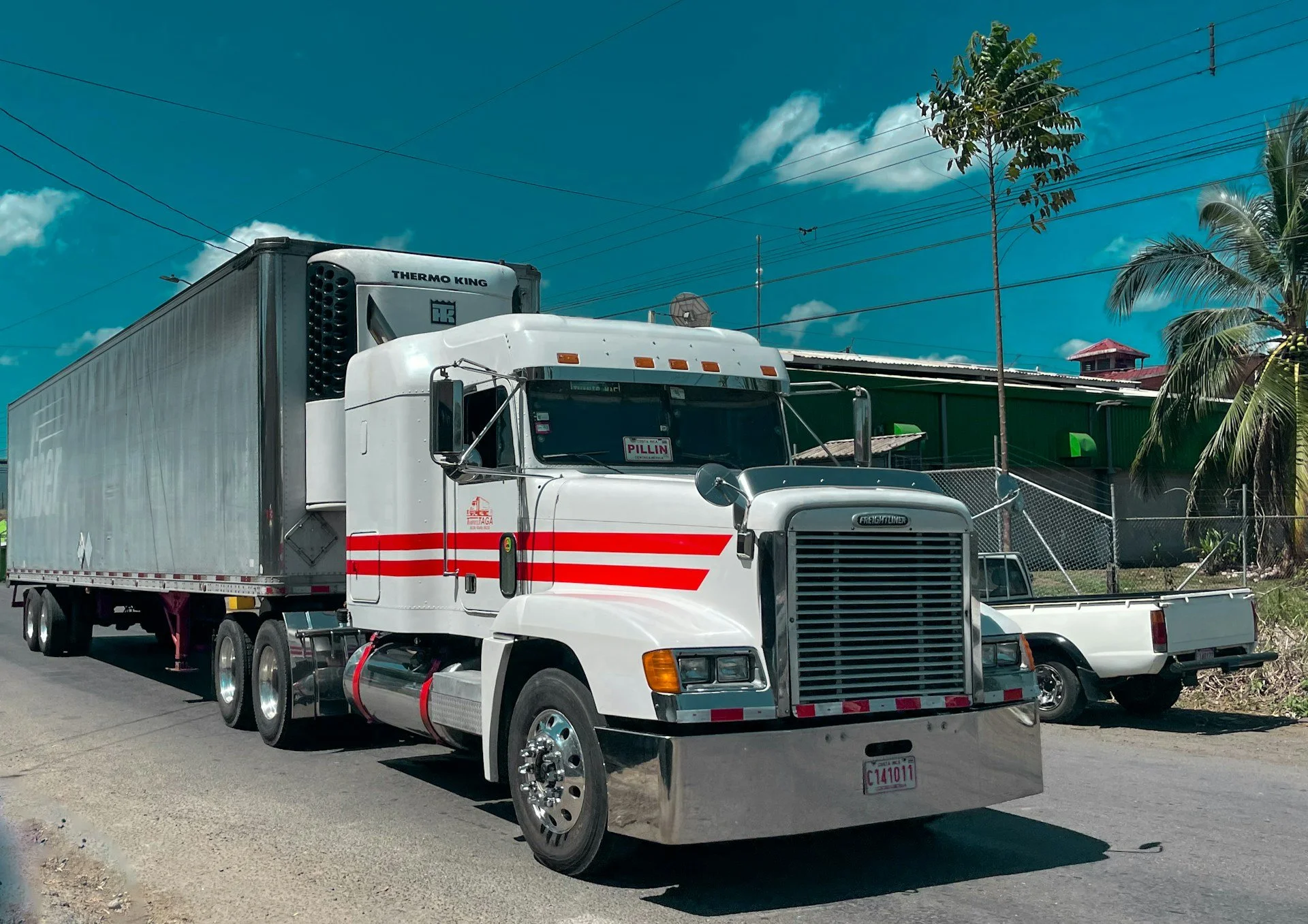
How the Right Diagnostic Tool Covers Every Freightliner System
A capable Freightliner diagnostic tool needs to do more than pull codes from the engine ECU. It must access all six major ECU domains (ECM, TCU, ABS, ACM, Body Controller, and CMS) with live data streaming, active fault codes, inactive fault codes, and bi-directional test capability in each domain. That's the standard a shop tool needs to meet to actually replace a dealer visit.
Jaltest covers Freightliner Cascadia (2008–2026), M2 106/112, and Sprinter-based commercial variants through its truck module, supporting both Detroit DD-series engines and Cummins ISX/X15 powertrains within the same interface. That's a significant practical advantage: you don't switch software depending on what's under the hood. For DD13/DD15/DD16 engines specifically, Jaltest provides access to the fault codes fleet techs encounter most often, including SPN 3031 FMI 18 (DEF quality fault), SPN 3361 FMI 7 (NOx sensor performance), SPN 1569 FMI 31 (engine derate protection), and SPN 102 FMI 18 (boost pressure performance), with guided diagnostic paths rather than bare code definitions. You can also check our complete Cummins fault code list for reference on Cummins-powered M2 units.
DT12 automated transmission diagnostics through Jaltest include clutch adaptation resets, gear selector calibration, and live pressure monitoring. That type of data previously required a dealer ServiceLink session or a DDDL-connected laptop with transmission module add-on licensing. Wabco and Bendix ABS/EBS modules on Freightliner platforms are covered in Jaltest's brake system module, enabling wheel speed sensor diagnostics, valve actuation tests, and stability control system resets that matter for both pre-trip compliance and post-repair verification.
One feature that genuinely changes shop workflow is Jaltest's wiring diagram integration. Fault codes link directly to circuit diagrams for the affected system, so a technician pulling SPN 3597 on a Cascadia doesn't have to leave the diagnostic interface to find the connector pinout. The data is embedded in the same session. We've covered this capability in more depth in our piece on Jaltest's wiring diagrams and technical data, and there's a practical demonstration of the workflow in this walkthrough on YouTube.
The DDDL documentation from Daimler Truck North America makes clear that the OEM ecosystem is purpose-built for Detroit-powered units. That's not a criticism; it's the design intent. But it means a shop running Cummins-powered Freightliners, or any non-Detroit makes alongside them, needs a platform that was built differently from the ground up.
The total cost of Jaltest for an in-house fleet shop (hardware kit plus annual software subscription) runs roughly equivalent to four to six dealer diagnostic visits. For most Canadian fleets running five or more Freightliner units, the system pays for itself within one quarter. And because a Jaltest license also covers Kenworth, Peterbilt, Volvo, Mack, International, and off-highway equipment, it's the practical choice for mixed operations where buying a separate tool per brand isn't economically defensible. If you're evaluating alternatives in this space, our top Texa alternatives for 2026 covers how Jaltest compares across several platform categories.
How to Actually Use a Diagnostic Tool on a Freightliner: Shop Workflow Tips
Knowing which tool to buy is only part of the equation. How you use it determines whether you're actually resolving faults or just reading codes.
Start every session with a full system scan, not just the engine ECU. On a Cascadia, a derate condition triggered by the ACM can set active codes in both the ECM and the body controller simultaneously. Reading only one module produces an incomplete fault picture and can send you chasing the wrong component. The r/DieselTechs thread on big rig scanners makes this point repeatedly: experienced heavy-duty techs scan everything first, then prioritize.
When you're dealing with DEF/SCR faults (SPN 3031, 3361, 4334), confirm dosing valve operation and DEF quality before resetting anything. The bi-directional dosing valve test in a capable scan tool saves you from a repeat derate 50 miles down the road after a blind reset. Similarly, after any DT12 clutch replacement, run the automated clutch adaptation sequence through the diagnostic tool before returning the truck to service. Skipping this step is the single most frequent cause of repeat transmission complaints on Cascadia automatic-spec units.
Live data during a test drive tells you significantly more than static fault code snapshots. Parameters like boost pressure ramp rate, SCR inlet temperature, and EGR differential pressure show you whether a cleared code is truly resolved or building toward a re-trigger under load. This YouTube walkthrough shows how live data capture looks in a real diagnostic session on commercial truck ECUs.
Wiring diagram access during diagnosis reduces fault resolution time meaningfully. Cross-referencing an SPN 168 (battery voltage) fault with the actual circuit diagram in the same tool session identifies whether the issue is at the battery isolator, the main power relay, or a downstream connector before any parts are ordered. For related thermal diagnostics, our cooling system pressure test guide for heavy-duty trucks shows how integrating live data with system knowledge speeds up resolution.
For Canadian fleets running Freightliner in cold climates, document coolant temp sensor PIDs and relevant live data in winter as a baseline. Hard-start complaints in February are dramatically faster to diagnose when you have a known-good reference point from the same vehicle in the same conditions. You can build a similar reference library for the most frequent fault patterns across your fleet by referencing common fault codes by system as a structural starting point.
After completing any Freightliner repair, run an inactive code clear and re-scan to confirm no new codes set during the repair process. This professional close-out step prevents warranty callbacks and repeat shop visits, and it takes less than two minutes when it's built into your standard workflow.
Why Canadian Fleet Shops Are Choosing Jaltest Through WholeFleet
WholeFleet supplies Jaltest diagnostic systems to Canadian and US fleets with Canadian-based technical support. When a technician pulls an unfamiliar SPN on a Cascadia at 7 AM, they're reaching a team that understands heavy-duty truck diagnostics, not a consumer electronics help desk. That distinction matters when the truck is supposed to be on the highway in two hours.
WholeFleet's financing options bring Jaltest within reach for independent shops and smaller fleets who can't justify a $2,000+ OEM tool that covers only one manufacturer. The multi-brand return on investment makes the investment defensible even for an eight-truck yard, because the same tool that handles your Freightliner fleet also covers every other make you service. For shops currently managing a three-tool stack (DDDL plus a second platform plus brand-specific add-ons), consolidating to Jaltest typically reduces both cost and complexity. Our Jaltest vs JPRO comparison walks through the practical differences for mixed-fleet operations.
Jaltest through WholeFleet isn't sold as standalone hardware. It comes with onboarding training, hands-on setup support, and ongoing technical assistance. The biggest adoption barrier fleet shops report is buying a sophisticated diagnostic tool and not knowing how to use it confidently on day one. WholeFleet's approach directly addresses that gap.
For fleets attending Truckworld 2026, WholeFleet will be demonstrating Jaltest's Freightliner coverage live, including a full Cascadia ECU scan, DT12 adaptation, and DEF system bi-directional testing. Technicians can see exactly what in-house capability looks like before committing to anything.
Mixed-fleet operations running Freightliner alongside Kenworth, International, or Volvo units get full multi-brand coverage under a single Jaltest license, eliminating the need to manage multiple OEM tool subscriptions. The subscription-based Jaltest update cycle also keeps the tool current with 2026 Cascadia emissions updates and new body controller variants as they come to market. For shops servicing construction or other off-highway equipment in addition to trucks, our multi-brand fault code resources for mixed fleets show how Jaltest's coverage extends well beyond commercial vehicles.
WholeFleet's position as a full fleet diagnostics partner means coverage keeps pace with the equipment in your yard, not just the models that existed when you bought the tool.
Freightliner Diagnostic Tool: Common Questions from Fleet Technicians
Fleet techs and shop managers ask a consistent set of questions when they're evaluating diagnostic tools for Freightliner equipment. Here are the answers, without the marketing noise.
Can one tool really read both Detroit DD-series and Cummins engines on Freightliner trucks?
Yes. Jaltest handles both powertrains in the same interface, which matters on mixed M2 and Cascadia yards where one unit has a DD13 and the next has a Cummins ISX15. Knowing how to read heavy-duty fault codes across different engine architectures is foundational to this type of work, and a tool that forces you to switch software mid-job creates unnecessary friction.
Is DDDL actually more capable than Jaltest for Detroit-powered Freightliners?
DDDL requires annual licensing and OEM-approved hardware. For pure Detroit-engine depth, it's purpose-built. But it doesn't cover Cummins-powered Freightliners, and it doesn't integrate DT12, ABS, or body controller access in a single workflow the way Jaltest does. For a fleet covering more than one make, Jaltest covers more ground at a comparable or lower total annual cost, depending on fleet size. You can also review multi-system fault code diagnostic approaches to understand why full ECU access matters across all equipment types.
What exactly does a "proper" Freightliner diagnostic tool need to reach?
A proper Freightliner diagnostic tool must reach the ACM, ABS, TCU, Body Controller, and CMS in addition to the engine ECU. Tools that only read engine codes miss the majority of commercial fault data. On a Cascadia running an active derate, the ACM and ECM are almost always co-faulted, and an ABS module fault can trigger body controller flags at the same time. Reading one module and declaring a diagnosis is incomplete work.
Do generic OBD2 or J1939 scanners from Amazon work on commercial Freightliners?
Amazon-listed scanners in the consumer price range don't have the proprietary PID sets or bi-directional command capability required for Freightliner aftertreatment resets or DT12 adaptation. They create a false sense of diagnostic coverage. The DieselTechs community is consistent on this point: for commercial truck diagnostics, you need a tool built for the purpose.
How fast does a Jaltest system pay for itself in a Canadian fleet context?
For Canadian fleet shops running five or more Freightliner units, Jaltest typically pays for itself within three to six months on avoided dealer diagnostic fees alone. That doesn't account for the value of reduced downtime days, which in rural areas with 5–14 business day dealer wait times often represents the larger number. As noted in DTNA's own service diagnostics documentation, even OEM-level diagnostic depth requires the right tool connected to the right system. The difference is whether that happens at a dealer or in your own bay.
Does a Freightliner diagnostic tool work on other brands in a mixed yard?
OEM tools don't. Multi-brand platforms like Jaltest cover Freightliner alongside Kenworth, Peterbilt, Volvo, Mack, International, and others under a single license. For shops managing more than one make, the per-brand cost of OEM tools makes that model economically indefensible compared to a single multi-brand subscription. Jaltest is a viable alternative to DDDL and ServiceLink for in-house Freightliner diagnostics because it covers both Detroit and Cummins powertrains with bi-directional test capability across all major Freightliner platforms, and extends that same depth to every other make in your yard.
Frequently Asked Questions
Can one diagnostic tool work on all Freightliner models (Cascadia, M2, and Sprinter)?
Yes, but only if it supports both Detroit Diesel and Cummins powertrains and includes Freightliner's proprietary body and chassis ECUs. OEM tools like DDDL cover DD-series engines well but require additional licensing for other systems. Jaltest covers Freightliner Cascadia (2008–2026), M2 106/112, and Sprinter-based commercial variants in a single license, including both Detroit and Cummins engine configurations.
What's the difference between DDDL and a multi-brand tool like Jaltest for Freightliner diagnostics?
Detroit Diesel Diagnostic Link (DDDL) is OEM software designed specifically for Detroit DD-series engines. It provides deep engine and aftertreatment access but requires specific licensed hardware, annual subscription fees of $1,500–$2,500+, and doesn't natively cover Cummins-powered Freightliners, the DT12 transmission, ABS modules, or body controllers in an integrated way. Jaltest provides comparable engine depth for both Detroit and Cummins, plus transmission, ABS, body controller, and aftertreatment access in one interface, typically at a lower total cost of ownership for fleets that service more than one make.
Do cheap Freightliner scanners from Amazon actually work?
They read generic J1939 fault codes, which covers a fraction of what a commercial Freightliner ECU reports. They typically can't access the Aftertreatment Control Module (ACM) for DPF/DEF functions, can't perform bi-directional tests like forced regen or dosing valve actuation, and lack the DT12 transmission module access needed for clutch adaptation. For shop diagnostics on commercial units, they create a false sense of coverage that leads to missed faults and repeat visits.
What are the most common Freightliner fault codes fleet techs deal with?
The highest-frequency codes on Detroit-powered Cascadias include SPN 3031 FMI 18 (DEF quality/concentration), SPN 3361 FMI 7 (NOx sensor rationality), SPN 1569 FMI 31 (engine protection derate), SPN 102 FMI 18 (boost pressure below expected), and SPN 168 FMI 18 (battery voltage low). DT12 transmission faults related to clutch wear and adaptation are also common after high-mileage service. All of these require a tool with bi-directional capability and full ECU access to diagnose and clear correctly.
How long does it take for a Freightliner diagnostic tool to pay for itself for a Canadian fleet?
For a Canadian fleet running five or more Freightliner units, a Jaltest system typically pays for itself within three to six months based on avoided dealer diagnostic fees alone. A single dealer diagnostic visit costs $500–$1,200 in shop fees in 2026, plus $800–$2,500 per day in vehicle downtime. In rural areas where dealer appointment wait times run 5–14 business days, the downtime cost per incident is often the larger number, making in-house diagnostic capability a fast-payback investment even for smaller operations.
Does a Freightliner diagnostic tool work on other truck brands too?
OEM tools like DDDL are brand-specific and don't cover other manufacturers. Multi-brand platforms like Jaltest cover Freightliner alongside Kenworth, Peterbilt, Volvo, Mack, International, and others under a single license, a significant advantage for mixed fleets. For shops managing more than one make, the per-brand cost of OEM tools makes a multi-brand solution the economically sound choice.