PACCAR SPN Codes: Fault Codes & Repair Guide
If you're running PACCAR MX engines — whether in a Kenworth, a Peterbilt, or a mixed fleet — you already know that a fault code on the dash is just the beginning. The real work starts when you sit down with a scan tool and figure out what the engine is actually telling you. This guide is built for technicians and fleet managers who want to move past basic code reading and actually understand what PACCAR SPN codes mean, when they matter, and how to handle them properly.
What Are PACCAR SPN Codes?
SPN stands for Suspect Parameter Number. It identifies the specific system or component where a fault has been detected — coolant temperature, DPF pressure differential, fuel rail pressure, and so on. But an SPN by itself only tells you where to look. To understand what's wrong, you need the FMI too.
FMI (Failure Mode Identifier) tells you how the parameter failed.
Take SPN 110, which covers engine coolant temperature. FMI 0 means the value is above normal (overheating). FMI 3 means the voltage signal is high — likely a sensor or wiring issue. FMI 4 means voltage is low. Same SPN, three completely different diagnoses. Running a repair based on the SPN alone is how you end up replacing a sensor when the real problem is a blown head gasket, or chasing wiring when the engine is actually running hot.
What is J1939?
J1939 is the SAE standard protocol used across commercial vehicles for controller area network (CAN) communication.
PACCAR MX engines use J1939 to transmit fault codes and live data between the ECM, transmission controller, aftertreatment system, and other modules. When you connect a diagnostic tool, you're reading that J1939 data stream — which is why the tool you use matters more than most people think.
How PACCAR Codes Differ From Standard OBD-II
OBD-II was built for light-duty passenger vehicles. It works fine on a pickup truck or a passenger car.
On a PACCAR MX engine, it's a different story. Generic OBD-II readers can't communicate with the J1939 network on commercial trucks.
At best, you'll get a limited read — maybe a few basic emissions codes. At worst, the tool will show nothing, or worse, report a clean bill of health on an engine that's throwing active faults.
Heavy-duty diesel diagnostics require tools that speak J1939, support manufacturer-specific parameter IDs (PIDs), and have access to the full PACCAR fault code library. The MX-11 and MX-13 have extensive proprietary fault coverage that simply doesn't exist in the OBD-II standard. If your shop is using a consumer-grade code reader on PACCAR engines, you're diagnosing blind.
PACCAR Engines This Guide Covers
The MX-11 is PACCAR's mid-range diesel, displacing 10.8 litres and rated up to 430 hp. It's found in a wide range of Class 8 applications where weight savings and fuel efficiency are priorities, and it's become increasingly common in regional haul and medium-duty vocational work. The MX-11 runs the same aftertreatment architecture as its bigger sibling — DPF, SCR, DEF injection — which means it generates the same categories of fault codes.
The MX-13 is PACCAR's flagship heavy-duty engine, displacing 12.9 litres and rated up to 510 hp. It's the workhorse of long-haul fleets and handles high-load applications where the MX-11 hits its limits. The MX-13 has been in production long enough that there's a well-documented fault code history across multiple emissions generations (EPA13, EPA17).
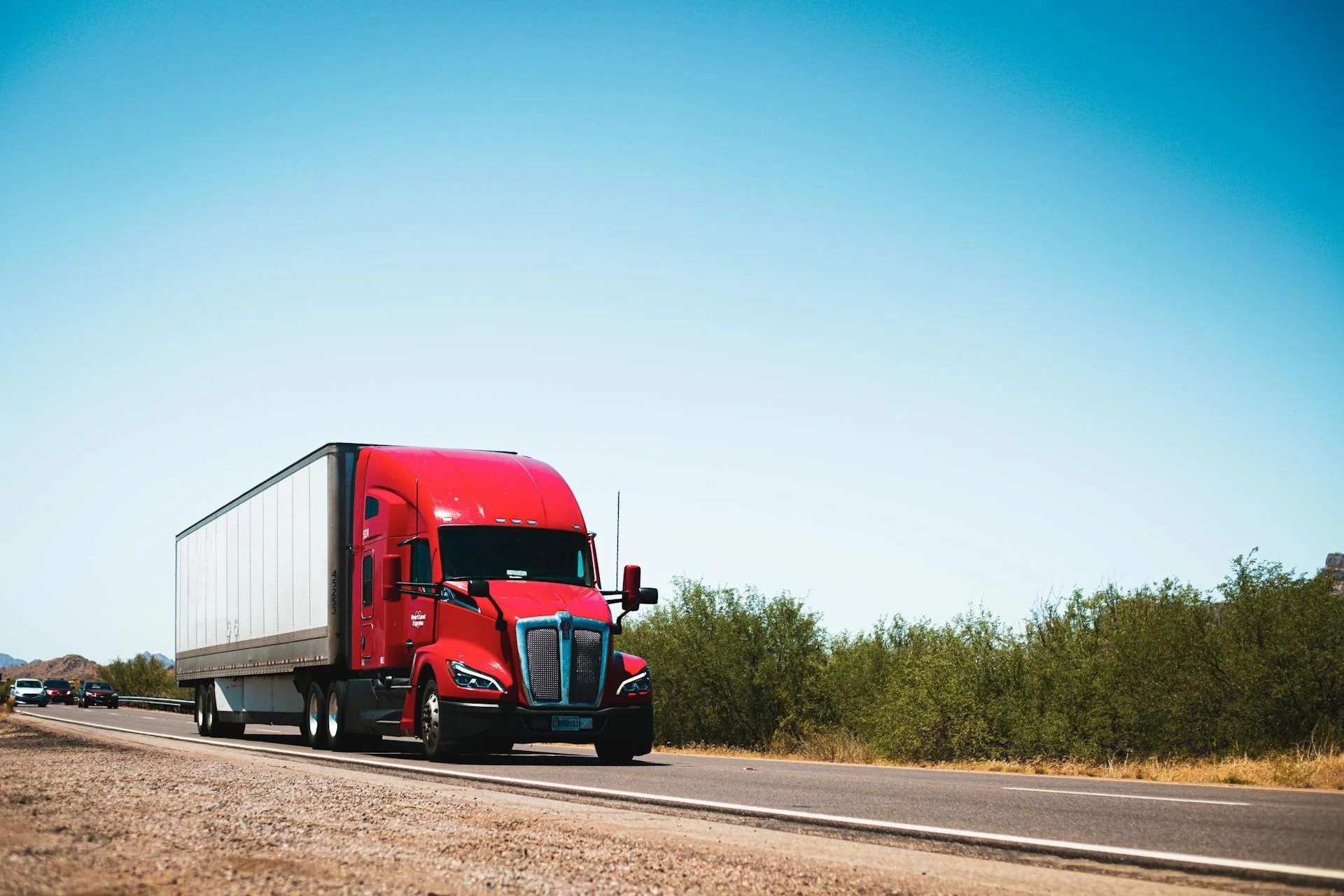
Both engines are used in Kenworth and Peterbilt trucks. The T680 and T880 are the primary Kenworth platforms running PACCAR MX powertrains. On the Peterbilt side, the 579 and 389 are the most common. The fault codes in this guide apply across all of these platforms — Kenworth PACCAR fault codes and Peterbilt PACCAR fault codes share the same SPN/FMI structure because it's the same engine family.
PACCAR Fault Code Categories
PACCAR engine codes fall into a handful of functional categories:
Engine protection codes cover coolant temperature, oil pressure, oil temperature, and boost pressure. These are the codes that can escalate to a hard derate or engine shutdown if ignored. They exist because the ECM is protecting the engine from mechanical damage, and they should be treated with urgency.
Aftertreatment and emissions codes cover the DPF, SCR catalyst, DEF/AdBlue dosing system, and associated sensors. PACCAR aftertreatment fault codes are the most common source of derate events in modern fleets. The emissions architecture is complex, there are a lot of sensors and actuators involved, and the system has zero tolerance for fluid quality issues or missed maintenance intervals.
Fuel system codes include common rail pressure faults, injector performance codes, and fuel pressure sensor faults. Depending on the severity, these can cause power loss, rough running, or a protective shutdown. Injector codes on the MX-13 in particular need to be addressed quickly — deferred maintenance here turns into expensive internal damage.
Electrical and sensor codes cover the wide range of signal faults, circuit shorts, opens, and implausible readings across the engine's sensor network. Many of these are intermittent and can be difficult to reproduce, but they still need proper diagnosis rather than a clear-and-hope strategy.
Transmission codes, while technically separate from the engine ECM, are part of the overall diagnostic picture on PACCAR-equipped trucks with automated transmissions. A transmission fault can trigger a derate on the engine side, which means you need to read all modules — not just the engine controller.
High-Priority PACCAR SPN Codes
Aftertreatment and Emissions Codes
PACCAR DPF codes and SCR faults are the most operationally disruptive codes a fleet deals with. Here are the ones that show up most frequently:
SPN 3251 – DPF Differential Pressure: Triggered when soot loading in the diesel particulate filter exceeds acceptable limits or when the pressure sensor reports an abnormal reading. This code often precedes a derate and a forced regen requirement. If passive regen hasn't been keeping up — typical in high-idle or short-trip duty cycles — soot accumulates and the system escalates.
SPN 3480 – SCR Conversion Efficiency: The SCR catalyst isn't reducing NOx at the expected rate. This can be caused by catalyst degradation, DEF quality issues, or a dosing system fault. When SCR efficiency drops below the threshold, the inducement cycle begins.
SPN 3031 – DEF Tank Level: Low DEF level. This is a straightforward code, but the consequence is not — PACCAR's inducement system will begin a derate cycle once DEF drops too low and won't release it until the tank is refilled and the system verifies adequate fluid.
SPN 4334 – NOx Sensor (Post-SCR): Monitors NOx output after the SCR catalyst. A failed or contaminated NOx sensor will often trigger this code and can put the truck into an emissions-related derate.
SPN 3246 – Aftertreatment DPF Outlet Temperature Sensor: Temperature faults on the DPF outlet affect regen control. The system needs accurate temperature data to manage the regen cycle safely — a faulty sensor here will interrupt passive regen and may prevent forced regen completion.
When aftertreatment codes generate a derate, the truck doesn't fail immediately. The inducement cycle is progressive. It starts with reduced speed or power, then further restriction, then in severe cases a 5 mph crawl mode. The timeline varies, but once inducement starts, ignoring it is not a viable strategy.
Engine Temperature and Cooling Codes
SPN 110 is the primary coolant temperature SPN on PACCAR MX engines. The FMI determines what you're actually dealing with:
SPN 110 / FMI 0: Coolant temp above normal range — active overheating condition. This is a drop-everything situation. Continued operation risks catastrophic engine damage.
SPN 110 / FMI 3: Sensor voltage high — likely a sensor, connector, or wiring fault. Less urgent than a true overheat, but needs diagnosis.
SPN 110 / FMI 4: Sensor voltage low — same category as FMI 3. Verify the sensor and circuit before assuming the engine is running cool.
Any active SPN 110 with FMI 0 should be treated as a breakdown risk until coolant levels, thermostat function, and the cooling system are verified. The ECM will derate or shut down the engine to protect it — which is exactly what it should do.
Engine Derate and Inducement Codes
The PACCAR engine derate system is layered, and understanding it saves a lot of confusion when a driver calls in complaining that the truck "won't go over 55."
P1495 and P1496 (and their SPN equivalents) are inducement-related fault codes tied to DEF quality and SCR efficiency. P1495 typically indicates a first-level inducement warning — the system has detected an issue and is starting the countdown. P1496 indicates a more advanced inducement state with active power restriction.
P1517 is associated with forced regen inhibit or DPF system faults that prevent normal aftertreatment operation.
In plain terms, the inducement cycle works like this: the system detects an emissions fault (low DEF, poor SCR conversion, DPF over-soot), logs it, gives the operator time to address it, and if nothing changes, starts restricting power. The restriction escalates in stages. By the time you're at the 5 mph crawl, you've had multiple opportunities to intervene that were missed.
Clearing the codes without fixing the underlying issue does not reset the inducement cycle. The ECM tracks the fault history and the verification cycles independently. This is one of the most common mistakes shops make — clear the codes, hand back the keys, and the truck comes back in two hours in limp mode.
Fuel System and Injector Codes
Common rail pressure faults on the MX-13 and MX-11 typically show up as SPN 157 (fuel rail pressure) with various FMIs depending on whether pressure is high, low, or the sensor signal is suspect. A low rail pressure fault under load can cause rough running, misfires, and a derate. If the ECM detects a severe fuel system fault — particularly one that suggests injector return fuel is abnormally high — it may command a shutdown to prevent damage.
Injector performance codes (typically tied to cylinder-specific SPNs) indicate that one or more injectors aren't delivering fuel within spec. On a high-mileage MX-13, this is common. These codes don't always cause obvious symptoms at idle, but under load the imbalance shows up as rough running, elevated exhaust smoke, or fuel consumption spikes. Deferred diagnosis usually means a more expensive repair later.
Active, Inactive, and Pending Codes
The status of a fault code is as important as the SPN/FMI combination itself.
An active code means the fault is present right now. The ECM is detecting the problem in real time. This is the status that triggers derates, warning lights, and driver complaints. Active codes require immediate attention.
An inactive code means the fault occurred previously but is not currently being detected. The system logged it, the condition went away (or appeared to), and the fault moved to history.
Inactive codes can represent intermittent faults, resolved conditions, or faults that temporarily passed a re-check cycle but aren't actually fixed. Don't dismiss inactive codes.
A pending code is a pre-certification fault — the system has detected a potential problem but hasn't confirmed it through enough drive cycles to set a full fault. On PACCAR engines with emissions monitoring, pending codes often precede active emissions faults by hours or days.
From a fleet management perspective: active codes drive your immediate repair decisions, inactive codes inform your inspection and PM intervals, and pending codes are your early warning system. A shop that only looks at active codes is missing half the diagnostic picture.
How to Clear PACCAR Fault Codes
Clearing codes correctly is a process, not a button push. Here's the workflow that actually works:
Connect your diagnostic tool and read all fault codes across all modules — engine, aftertreatment, transmission, instrument cluster.
Document everything: SPN, FMI, status (active/inactive), and occurrence count.
Diagnose the root cause. Not the code — the cause. SPN 3480 doesn't mean "replace the SCR." It means start an investigation.
Perform the repair.
Clear the fault codes.
Run a verification cycle — whether that's a drive cycle, a forced regen completion, or a functional test of the repaired component.
Confirm the fault does not return.
Skipping step 3 and going straight to step 5 is the most common diagnostic shortcut in fleet shops, and it burns time every time. Codes that are caused by an active mechanical or chemical condition will come right back. Some codes won't clear at all until the underlying fault has passed a verification cycle. You can't override the ECM on this. It's checking.
This is exactly where a professional-grade diagnostic tool earns its place in the shop. A tool like Jaltest walks you through the full resolution workflow, not just reading codes, but verifying that the fault is actually resolved before clearing.
Want to see what Jaltest covers for PACCAR engines? Download the Jaltest Pricing Guide.
DPF Codes and Forced Regeneration on PACCAR MX Engines
The DPF traps particulate matter from combustion, and it has a finite capacity. Under normal operating conditions, passive regeneration — the natural oxidation of soot during highway driving — keeps the filter clean. When duty cycle doesn't support passive regen (short trips, extended idle, low load), soot accumulates until the system intervenes.
The fault code picture for a high-soot DPF usually starts with SPN 3251 (differential pressure high) or a soot load percentage reading above threshold, before escalating to active codes and an operator regen request. At that point, the driver should be triggering a parked regen — but in practice, a lot of drivers ignore the first notification.
When the system has determined that passive regen is no longer adequate, a forced (active) regeneration is required. This is not something a driver should do at a fuel stop without thinking — the exhaust outlet temperatures during a forced regen can exceed 600°C. The truck needs to be parked somewhere appropriate, the parking brake set, and the process monitored.
During a forced regen, the ECM raises exhaust temperature by injecting post-combustion fuel into the exhaust stream, which ignites over the diesel oxidation catalyst (DOC) upstream of the DPF. The process typically takes 20 to 40 minutes depending on soot load. A proper diagnostic tool monitors DPF inlet and outlet temperatures, differential pressure, and regen status throughout the cycle — and will flag if the regen fails to complete or terminates early.
Forced regen codes on PACCAR MX engines are some of the most mishandled in mixed fleets. Technicians who primarily work on other makes or lighter equipment generally aren't familiar with how PACCAR's regen inhibit logic works, or with what conditions need to be met before a forced regen will initiate. Attempting a regen without clearing the inhibit conditions first will result in a failed or aborted cycle, which just adds more codes to the problem.
The Right Diagnostic Tool for PACCAR SPN Codes
Dealer-level diagnostic coverage for PACCAR MX engines means access to the full proprietary fault code library — not just the J1939 standard SPNs, but the manufacturer-specific codes that cover every sensor, actuator, and system on the engine. It also means live data streaming for all monitored parameters, actuator tests to verify component function, and guided procedures for processes like forced regeneration, injector calibration, and aftertreatment reset.
Jaltest covers the MX-11 and MX-13 across multiple emissions generations, including full SPN reading for both Kenworth and Peterbilt applications. The software supports guided forced regen procedures, actuator testing for fuel system components and aftertreatment injectors, and live parameter monitoring that lets you see what the engine is doing in real time — not just what it logged. For a shop or fleet that handles PACCAR equipment regularly, that level of coverage eliminates the guesswork that comes from working with partial data.
WholeFleet Diagnostics is the authorized Canadian distributor for Jaltest. If you're evaluating whether it's the right tool for your operation, the specs and coverage details are worth reviewing before you make a decision.
Download the Jaltest Pricing Guide to see exactly what's included.
Don't Let a Fault Code Become a Breakdown
The shops and fleet managers who stay ahead of PACCAR codes are the ones who've invested in proper diagnostic capability and the discipline to use it correctly. A fault code by itself is just data — a signal from the engine that something is outside normal parameters. What you do with it determines whether you're handling a routine maintenance item or calling a tow truck at 2 AM. The difference, most of the time, is not the severity of the original fault. It's whether it was diagnosed properly the first time.